Supplements & Nutrition
Simple, low-tox wellness tools that support daily health without overcomplicating routines.
These are practical wellness essentials I’ve researched and personally trust, chosen to support the body gently and consistently. The goal isn’t “more supplements,” but smarter, more intentional choices.
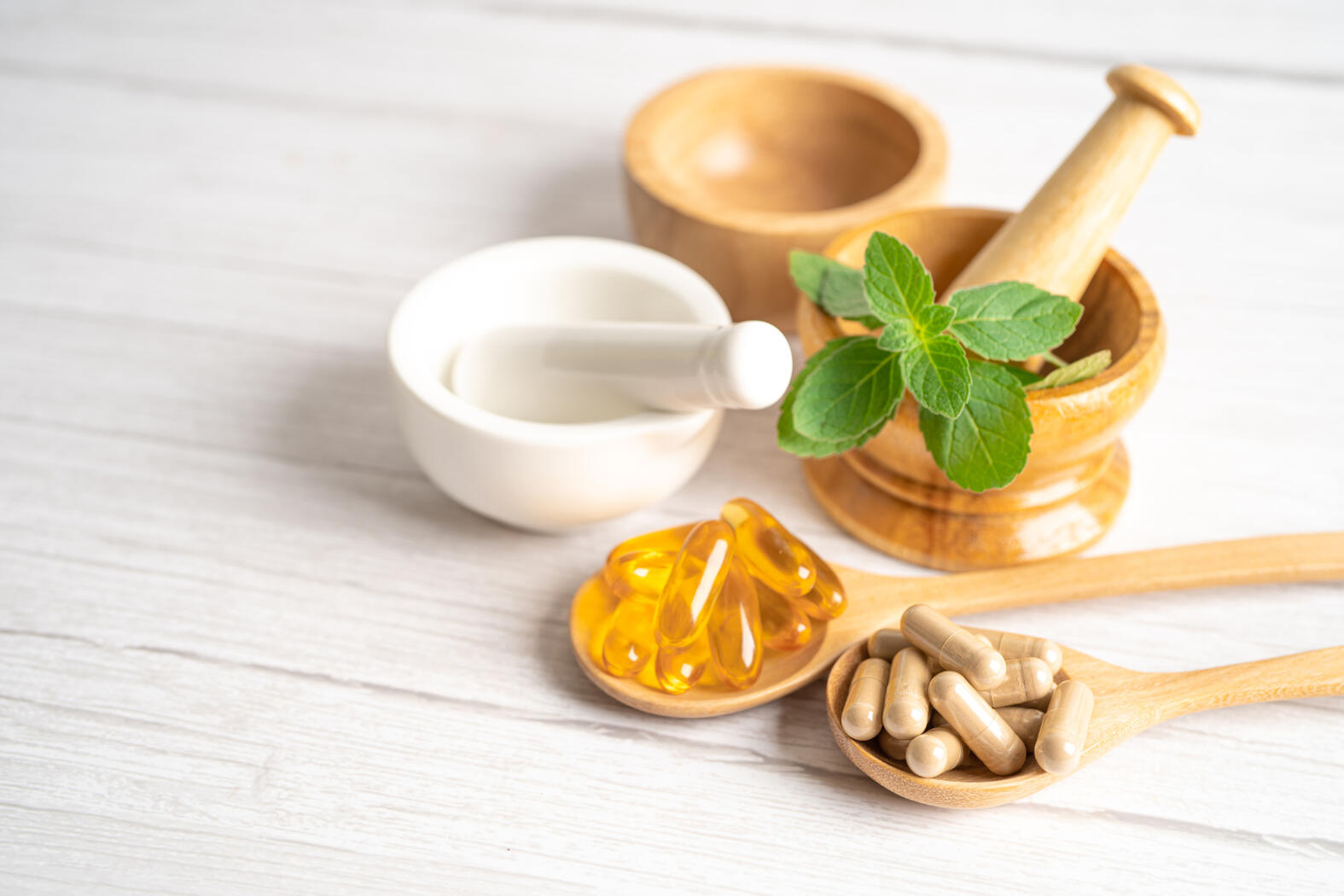
Supplements
Seeking Health Optimal Magnesium - 150mg, 90 Capsules
Magnesium Lysinate-Glycinate Chelate (Albion) · Dimagnesium Malate · Hypromellose Vegetarian Capsule · Ascorbyl Palmitate · L-Leucine · Silica · No Dairy · No Gluten · No Soy · No GMOs · No Artificial Colors or Flavors · Vegan · Made in the USA
Bottom line:
Two of the most bioavailable and gut-friendly forms of magnesium in a single clean capsule, formulated by a naturopathic doctor who built an entire supplement company around the science of how genetic variation affects nutrient absorption. No fillers, no oxide, no citrate causing loose stools. Just magnesium that actually gets where it needs to go.
Why I chose this
Up to 75 percent of Americans are estimated to be deficient in magnesium, and most of them are taking the wrong form of it. Magnesium oxide is the cheapest and most common form in supplement aisle products and has an absorption rate of less than five percent, meaning most of what you take leaves before it does anything useful. Magnesium citrate absorbs better but causes loose stools at higher doses, which is why so many people assume they cannot tolerate magnesium supplements. The forms that actually work, that absorb efficiently and sit gently in the digestive system, are the chelated forms, and they are what this product is built from.
Seeking Health Optimal Magnesium uses two specific forms. Magnesium lysinate-glycinate chelate is magnesium bound to the amino acids lysine and glycine, which helps it cross the intestinal wall without competing with calcium or other minerals for absorption pathways. The glycine component also supports relaxation and sleep quality in its own right. Dimagnesium malate binds magnesium to malic acid, a compound involved in the Krebs cycle, the cellular energy production pathway, making this form particularly useful for people dealing with fatigue or muscle soreness alongside their deficiency. Both forms are from Albion, which holds the most rigorous third-party mineral chelation certification in the supplement industry. The Albion TRAACS mineral standard means the chelation is verified to be true amino acid chelation rather than a marketing claim.
I want to tell you why this specific product has a permanent place in my routine. I have endometriosis, and for years cramping was something I planned my life around. Debilitating is not an overstated word. Since consistently using this magnesium, cramping is no longer part of my day-to-day life. On the rare occasions I start to feel early signs of discomfort coming on, usually when I have let my supplement routine slip, taking this has been enough to help my body settle back down. That reliability earned it a permanent spot. Magnesium plays a direct role in smooth muscle relaxation, which is exactly what uterine cramping involves, and using a form the body can actually absorb makes that difference tangible rather than theoretical.
Seeking Health was founded by Dr. Ben Lynch, a naturopathic doctor who built his career around the science of MTHFR gene mutations and nutrigenomics, the study of how genetic variations affect the way individuals absorb, convert, and use nutrients. His entire supplement philosophy is built around the idea that form matters as much as dose, and that a supplement with the wrong form is often worse than no supplement at all. That philosophy shows in every product he makes, including this one.
What I like about it
Two chelated magnesium forms with genuine absorption research behind them, not oxide or basic citrate
Albion TRAACS certification on both mineral chelates, the most rigorous third-party mineral verification available
Glycine and lysine from the chelation process contribute calming and tissue repair support alongside the magnesium
Malate form supports cellular energy production through the Krebs cycle, useful for fatigue alongside deficiency
Vegetarian hypromellose capsule, no gelatin
No fillers, no artificial colors, no artificial flavors, no gluten, no soy, no GMOs, no dairy
150mg per capsule allows flexible dosing, one capsule for maintenance, more as directed for therapeutic support
Vegan and suitable for people with methylation concerns or supplement sensitivities
Formulated by a naturopathic doctor who specializes in how individual genetics affect nutrient absorption
Made in the USA
A note on dosing:
Most adults benefit from 150 to 400mg of elemental magnesium daily from supplemental sources, depending on dietary intake and individual need. One capsule of Optimal Magnesium provides 150mg. Work with your healthcare provider to find your appropriate dose. Magnesium is best absorbed throughout the day rather than in one large dose. Taking one capsule with dinner and another before bed is a common approach that supports both daily function and sleep quality. If you are also taking calcium, space them apart since they compete for the same absorption pathway.
A note on magnesium and endometriosis:
I am sharing my personal experience because this is a lived reality for me, not a marketing claim. The research on magnesium and smooth muscle relaxation is well established, and the uterus is smooth muscle. This is not a cure and it is not medical advice. If you have endometriosis or any reproductive health condition, work with a provider who respects both conventional and integrative approaches. What I can tell you is that consistent, bioavailable magnesium changed my daily experience in a way nothing else had.
A note on magnesium forms:
If you see magnesium oxide on a supplement label, that is generally the form to avoid. It is cheap, poorly absorbed, and the primary ingredient in most budget magnesium products. Magnesium citrate is better absorbed but can cause loose stools at higher doses. Magnesium glycinate, malate, lysinate, and threonate are the forms worth seeking out, and this product combines two of the best.
Always check with your healthcare provider if you’re pregnant, nursing, or managing a medical condition.
Seeking Health L-Methylfolate: Bioavailable Active Folate for MTHFR Support
1,700 mcg DFE L-5-Methyltetrahydrofolate · Quatrefolic from Italy · Bypasses MTHFR Enzyme · No Folic Acid · No GMOs · No Gluten · No Soy · No Eggs · No Fish · No Shellfish · No Tree Nuts · No Peanuts · No Sesame · No Wheat · Vegetarian Capsule · Formulated by Dr. Ben Lynch, ND · 60 Capsules
Bottom line:
The active, bioavailable form of folate that bypasses the MTHFR enzyme entirely. For the estimated 50% of the population with MTHFR gene variants that reduce their ability to convert folic acid into usable folate, this is the form the body can use immediately without requiring conversion. Formulated by Dr. Ben Lynch, the physician and researcher who has done more to advance public understanding of MTHFR than anyone else in the field.
Why I chose this
Folate is essential for methylation, the biochemical process that controls gene expression, homocysteine metabolism, DNA repair, mood regulation, detoxification, and dozens of other critical functions. Most people get folate from food and from supplements that use folic acid, the synthetic form. Folic acid must be converted by the MTHFR enzyme into L-methylfolate before the body can use it. For people with MTHFR polymorphisms, that conversion is significantly impaired, which means standard folic acid supplementation, including the folic acid in most prenatal vitamins and fortified foods, may not be raising active folate levels the way it should.
L-methylfolate bypasses this conversion entirely. It is the end product your cells actually use, delivered directly without requiring a functional MTHFR enzyme to process it. This is the reason functional medicine practitioners, genetic counselors, and methylation-aware physicians have moved to recommending L-methylfolate over folic acid for anyone with confirmed or suspected MTHFR variants, and increasingly for anyone with mood, energy, homocysteine, or fertility concerns.
Seeking Health uses Quatrefolic, a patented glucosamine salt form of L-5-MTHF produced in Italy, which is one of the most stable and well-absorbed forms available and has the most clinical research behind it of any branded methylfolate ingredient. The formula itself is deliberately minimal: the active ingredient and a small number of clean excipients in a vegetarian capsule. No folic acid, no unnecessary additives, no top allergens.
Dr. Ben Lynch, who founded Seeking Health, is a naturopathic physician who wrote the bestselling book Dirty Genes and is widely regarded as the leading expert on MTHFR and methylation in clinical and integrative medicine. His formulation philosophy for every Seeking Health product is to use the most bioavailable forms of nutrients at clinically relevant doses with the fewest and cleanest inactive ingredients possible.
What I like about it
L-5-methyltetrahydrofolate from Quatrefolic, one of the most studied and stable methylfolate forms available
Bypasses the MTHFR enzyme completely, usable by people with any MTHFR variant
No folic acid anywhere in the formula
1,700 mcg DFE per capsule, a therapeutically meaningful dose
Minimal excipients: microcrystalline cellulose, vegetarian capsule, ascorbyl palmitate, l-leucine, silica
Free from all top allergens including gluten, soy, dairy, eggs, tree nuts, peanuts, fish, shellfish, sesame, wheat
No GMOs
Formulated by Dr. Ben Lynch, ND, the leading MTHFR and methylation researcher
Vegetarian capsule
A note on starting methylfolate:
This is an important one. Some people, particularly those who are overmethylating or have certain genetic variants beyond MTHFR, experience anxiety, irritability, heart racing, or other symptoms when starting methylfolate. Dr. Lynch specifically recommends starting with a lower dose and working up rather than starting at a full capsule. The capsule can be opened and a portion of the powder dissolved in water for a micro-dose start. If you experience any negative symptoms, stop and consult your healthcare provider before continuing. This is not a reason to avoid methylfolate if you need it, it is a reason to introduce it thoughtfully and with professional guidance.
Always check with your healthcare provider if you’re pregnant, nursing, or managing a medical condition.
Seeking Health Methyl B12 with L-Methylfolate - Active Forms, Lozenge, 60 Count
1,360 mcg DFE L-Methylfolate as Quatrefolic · 1,000 mcg B12 as Methylcobalamin and Adenosylcobalamin · Lozenge Format for Fast Absorption · Can Be Broken in Half to Start Low · Free From Gluten, Dairy, Soy, Eggs, Tree Nuts, Peanuts, Sesame, Fish, Shellfish, GMO · Founded by Dr. Ben Lynch, Pioneer in Genetic and Methylation Research
Bottom line:
The supplement that started my entire low-tox journey. Active methylfolate and methylated B12 in a fast-absorbing lozenge, specifically formulated for people whose bodies cannot efficiently convert standard folate and B12 into usable forms. If you have MTHFR, or suspect you might, this is the product I point people to first, with some important context on how to use it thoughtfully.
Why I chose this
If you have read my story you already know that a positive MTHFR test changed my life. What I did not fully understand when I first got my results was why the form of folate and B12 matters so much, and why what you find in most supplements and fortified foods is essentially useless for a body with this mutation.
Here is the short version. Your body cannot use folic acid, the synthetic form of folate found in most supplements, enriched flour, and fortified cereals, directly. It has to convert it through a series of enzymatic steps into L-5-methyltetrahydrofolate, the active form your cells can actually use. The enzyme responsible for one of the most critical steps in that conversion process is called MTHFR. When that gene is mutated, the conversion is impaired. For people with certain MTHFR variants, the efficiency of that conversion can be reduced by anywhere from 30 to 70 percent depending on which variant they carry. The result is that even if you are eating folate-rich foods and taking a standard multivitamin every day, your cells may be running significantly low on a nutrient that is involved in over 200 enzymatic processes in the body, including DNA synthesis, neurotransmitter production, homocysteine regulation, and detoxification.
The solution is to bypass the conversion step entirely by supplementing with the already-active form, L-methylfolate. Your body does not need to convert it. It can be used directly. That is what this supplement provides, along with two active forms of B12 that work the same way. Methylcobalamin is the neurologically active form that supports brain function, nerve health, and homocysteine regulation. Adenosylcobalamin is the mitochondrial form that supports cellular energy production. Together they cover the full scope of B12's role in the body in a way that the cheaper cyanocobalamin form found in most supplements simply cannot match.
The lozenge format matters too. B12 in particular is notoriously difficult to absorb through the digestive tract, which is why B12 injections are sometimes prescribed for people with severe deficiency. A sublingual lozenge that dissolves slowly under or around the tongue allows direct absorption through the oral mucosa, bypassing the digestive process entirely and delivering meaningful amounts into the bloodstream efficiently.
This was one of the first supplements I added after my MTHFR diagnosis. Within days I noticed a shift in energy and mental clarity that I had not felt in years. I am not going to overclaim for you because everyone's body is different and your experience may not mirror mine. What I can tell you is that after thirty years of being exhausted and inflamed and told my labs were normal, something finally felt different.
An important note from the founder himself: Dr. Ben Lynch, who created Seeking Health specifically for people navigating MTHFR and methylation issues, is clear on something that I think is worth repeating: do not take methylfolate simply because a genetic test shows you have an MTHFR variant. MTHFR polymorphisms are extremely common, present in a large portion of the population, and having the variant does not automatically mean you need aggressive methylation support. Methylfolate is a powerful nutrient that affects neurotransmitter production and other downstream processes, and taking too much too fast can cause overmethylation symptoms including headaches, agitation, anxiety, irritability, and difficulty sleeping. The guidance is to start low, go slow, and listen to your body. Work with a knowledgeable healthcare provider if you are unsure whether this is right for you. This is not a supplement to take casually. It is a targeted tool for a specific biochemical situation.
One transparent note on ingredients: The other ingredients list includes natural cherry flavor. This is a flag I check on every supplement I recommend. In this case the natural flavor is present in a small lozenge taken in tiny amounts, and Seeking Health's overall formulation standards are among the highest in the industry. Dr. Lynch built this brand specifically because he was unsatisfied with the ingredient quality in mainstream supplements. I note it here for transparency rather than as a reason to avoid the product.
What I like about it
L-methylfolate as Quatrefolic, the most bioavailable and research-backed form of active folate
B12 as both methylcobalamin and adenosylcobalamin, covering neurological and mitochondrial functions
Lozenge format allows sublingual absorption, bypasses digestive absorption limitations
Can be broken in half for a lower starting dose, supports the start low go slow approach
Free from gluten, dairy, soy, eggs, tree nuts, peanuts, sesame, fish, shellfish, and GMO
Formulated specifically for people with MTHFR and methylation pathway impairment
Founded by Dr. Ben Lynch, one of the most respected researchers in genetic health and naturopathic medicine
Seeking Health prioritizes ingredient purity, bioavailability, and formulation quality above cost
Cherry flavored, genuinely pleasant to take unlike most supplements
The supplement I personally started with after my MTHFR diagnosis
Referenced directly in my blog post on MTHFR and why I went low-tox
A note on dosing:
For your first week, start with half a lozenge. Let it dissolve slowly in your mouth rather than chewing or swallowing quickly. If you feel good after a week you can increase to a full lozenge. Do not take within five hours of bedtime. B12 supports energy production and taking it too late in the day can interfere with sleep. If you experience headaches, agitation, a racing mind, or difficulty sleeping after starting, these are signs of overmethylation. Reduce the dose, skip a day, and reintroduce more slowly. Some people do well on half a lozenge a few times a week rather than daily. A small amount of niacinamide can help counteract overmethylation symptoms if they occur. Work with a healthcare provider familiar with MTHFR if you are unsure how to adjust. This supplement is not recommended for children without practitioner guidance. Pregnant or breastfeeding women should consult their healthcare provider before use.
Always check with your healthcare provider if you’re pregnant, nursing, or managing a medical condition.
Seeking Health Hydroxo B12 with Folinic Acid: Non-Methylated B12 and Folate for Methylation Sensitivity
1,000 mcg Hydroxocobalamin · 1,360 mcg DFE Folinic Acid (5-Formyl-THF) · Completely Methyl-Free · Non-Methylated Forms of Both B12 and Folate · Converts to Active Forms Naturally in the Body · Lozenge for Superior Absorption · Supports Detoxification · No Folic Acid · No Cyanocobalamin · No GMOs · No Gluten · No Soy · Cherry Flavor · Formulated by Dr. Ben Lynch, ND · 60 Lozenges
Bottom line:
The non-methylated alternative for people who react poorly to methylated B12 or methylfolate. Hydroxocobalamin and folinic acid both convert to their active methylated forms naturally inside the body, providing the same downstream methylation support without the overstimulation that pre-methylated forms can cause in sensitive individuals. The right choice if methylcobalamin or L-methylfolate have caused anxiety, irritability, heart racing, or other uncomfortable reactions.
Why I chose this
Some people cannot tolerate methylated B vitamins. The symptoms, which can include anxiety, irritability, flushing, heart palpitations, insomnia, and feeling overstimulated, are generally attributed to one of two things: overmethylation, where the methyl groups from the supplement push an already sufficient methylation cycle into overdrive, or specific enzyme deficiencies downstream of methylation that cause intermediates to back up. Neither situation means methylation support is not needed. It means the directly methylated form is not the right starting point.
Hydroxocobalamin is a natural form of B12 found in food and produced by bacteria. Unlike cyanocobalamin, it releases no cyanide byproduct. Unlike methylcobalamin, it does not arrive pre-methylated. Instead, it converts inside the body to whichever active form is needed, methylcobalamin or adenosylcobalamin, at the rate and in the proportion the body's own enzyme activity determines. This makes it a gentler and more self-regulating source of B12 for sensitive individuals.
Folinic acid is a similar story for folate. It is not folic acid, which requires MTHFR conversion and is therefore problematic for MTHFR variants. And it is not L-methylfolate, which arrives fully methylated and can overstimulate sensitive systems. Folinic acid sits between the two: it is a bioavailable, active form of folate that bypasses the folic acid conversion step but still requires one more enzymatic step to become L-methylfolate. For people who are sensitive to the direct methylfolate form, folinic acid provides folate support with a more gradual conversion that the body can regulate.
The combination of hydroxocobalamin and folinic acid in one lozenge covers both B vitamins in their methyl-free forms, making this the appropriate starting product for methylation-sensitive individuals or anyone who has tried the methylated forms and experienced negative reactions.
Hydroxocobalamin also has a specific and well-documented role in supporting the detoxification of environmental exposures including nitric oxide, cyanide from smoke and exhaust, and certain heavy metals. This makes it particularly relevant for people with significant environmental chemical exposure.
What I like about it
Completely methyl-free in both the B12 and folate components
Hydroxocobalamin is a natural form of B12 that converts to active forms at the body's own rate
No cyanocobalamin, no synthetic B12
Folinic acid bypasses folic acid conversion issues while allowing more regulated conversion than direct methylfolate
No folic acid anywhere in the formula
Lozenge format for sublingual absorption, superior to capsule for B12
Lozenge can be broken into smaller pieces for lower starting doses
Supports environmental detoxification pathways through hydroxocobalamin
Cherry flavored, xylitol sweetened
Free from all top allergens including gluten, soy, dairy, eggs, tree nuts, fish, shellfish, sesame, wheat
No GMOs
Formulated by Dr. Ben Lynch, ND
A note on choosing between this and Methyl B12 with L-Methylfolate:
If you have not tried methylated B vitamins before and do not know your sensitivity level, either product is a reasonable starting point. If you have tried methylated forms and experienced uncomfortable symptoms, this is the right choice. If you have tried this product first and tolerate it well, you may eventually try transitioning to the methylated forms under practitioner guidance. The two products are not interchangeable but they address the same underlying need through different mechanisms.
Always check with your healthcare provider if you’re pregnant, nursing, or managing a medical condition.
Seeking Health Glutathione with Cofactors: S-Acetyl Glutathione with Selenium, Riboflavin, Molybdenum, and PQQ
25 mg S-Acetyl-L-Glutathione (Emothion) · Riboflavin 2 mg · Selenium 5 mcg (as Selenium Glycinate) · Molybdenum 15 mcg (as Sodium Molybdate) · PQQ 5 mg · Lozenge Format · No Folic Acid · No GMOs · No Gluten · No Soy · No Dairy · No Eggs · No Top Allergens · Formerly Called Glutathione Plus · Formulated by Dr. Ben Lynch, ND · 60 Lozenges
Bottom line:
Glutathione supplemented with the four specific cofactors required for it to actually work inside the body. Most glutathione supplements stop at the glutathione itself. This formula adds selenium to activate the glutathione peroxidase enzyme that uses glutathione, riboflavin to recycle spent glutathione back into its active form, molybdenum to prevent the sulfite side effects that cause many people to react poorly to glutathione, and PQQ for mitochondrial and antioxidant support. The most complete glutathione lozenge available from one of the most trusted methylation supplement brands.
Why I chose this
Glutathione is the body's master antioxidant and the central molecule in its detoxification system. Every cell produces it, and it is responsible for neutralizing free radicals, supporting the immune system, regenerating other antioxidants including vitamins C and E, and binding and facilitating the excretion of heavy metals, chemical exposures, and metabolic waste products. Your body uses glutathione to process and eliminate mercury, arsenic, lead, formaldehyde from new furniture and carpets, chlorine from tap water, exhaust fumes, fragrances, cleaning product residues, and dozens of other everyday chemical exposures. If you follow a low-tox lifestyle and are reducing your chemical load from the outside, glutathione is what handles the chemical load from the inside.
The problem with most glutathione supplements is that oral glutathione is notoriously poorly absorbed. The glutathione molecule is broken down in the digestive tract before it reaches the bloodstream. S-acetyl-L-glutathione, the form used in this product from Emothion, is a stabilized acetylated form that resists degradation during digestion and has demonstrated better cellular uptake than reduced glutathione in comparative research.
More importantly, glutathione does not work alone. The cofactors in this formula address three specific reasons people either do not respond well to glutathione supplementation or experience negative side effects. Selenium activates glutathione peroxidase, the enzyme that uses glutathione to neutralize hydrogen peroxide and lipid peroxides. Without adequate selenium, you can supplement glutathione and still have an underperforming antioxidant system because the enzyme that uses it cannot function. Riboflavin activates glutathione reductase, the enzyme that recycles oxidized glutathione back into its active reduced form. Without riboflavin, the glutathione you supplement gets used once and stays oxidized rather than being recycled. Molybdenum supports sulfite oxidase, the enzyme that breaks down sulfites, which are a byproduct of glutathione metabolism. People who react to glutathione with flushing, racing heart, or anxiety are often experiencing sulfite accumulation from insufficient sulfite oxidase activity. The molybdenum in this formula specifically addresses that mechanism.
The result is a glutathione supplement that most people who have failed to tolerate other glutathione products can actually use, because the cofactors that make glutathione functional are included rather than assumed.
What I like about it
S-Acetyl-L-Glutathione from Emothion, a stabilized form with better digestive stability than reduced glutathione
Selenium as selenium glycinate to activate glutathione peroxidase (GPX)
Riboflavin to recycle spent glutathione via glutathione reductase (GSR)
Molybdenum to support sulfite oxidase (SUOX) and prevent sulfite side effects
PQQ for mitochondrial support and additional antioxidant activity
Lozenge format for improved absorption through the oral mucosa
Lozenge can be broken into smaller pieces for lower starting doses
Directly relevant to the chemical exposures low-tox readers are actively working to reduce
No folic acid, no GMOs, no top allergens
Xylitol and monk fruit sweetened, no sugar
Formerly called Glutathione Plus, same formula with updated name
Formulated by Dr. Ben Lynch, ND
A note on who this is for:
Glutathione supplementation is particularly relevant for people with high chemical exposure histories, people who are actively detoxing from mold, heavy metals, or environmental chemicals, people with chronic fatigue or immune challenges, and people who are already supporting their methylation cycle and want to address the downstream detoxification pathway that methylation feeds into. If you are new to supplements, starting with the methylfolate and B12 products above and adding glutathione later is the typical sequencing.
Do not take within 2 hours of bedtime. Some people experience detox reactions when starting glutathione, including temporary fatigue or headache, which typically resolve as the body adjusts. Starting with a half or quarter lozenge is recommended for sensitive individuals.
Always check with your healthcare provider if you’re pregnant, nursing, or managing a medical condition.
Thorne Basic Nutrients 2/Day - Complete Daily Multivitamin, 60 Capsules
Active Methylcobalamin B12 · L-5-MTHF Folate · Pyridoxal 5-Phosphate B6 · Albion TRAACS Chelated Minerals · L-Selenomethionine · D3 · K1 and K2 as MK-4 · Hypromellose Capsule · Dicalcium Phosphate · Calcium Laurate · No Artificial Colors · No Fillers · No Gluten · No Dairy · No Soy · NSF Certified for Sport · Made in the USA
Bottom line:
A complete daily multivitamin in two capsules with active, methylated B vitamins, Albion TRAACS chelated minerals, and selenium in the preferred food-form, formulated by a company that spent 40 years building trust with healthcare practitioners before it was available to the public. One ownership note worth knowing.
Why I chose this
Most multivitamins are built around the cheapest available forms of each nutrient. Folic acid instead of methylfolate. Cyanocobalamin instead of methylcobalamin. Magnesium oxide instead of a chelated form. Sodium selenite instead of selenomethionine. These cheaper forms are not interchangeable with their superior counterparts for everyone. People with MTHFR gene mutations, which affect a meaningful portion of the population, cannot properly convert synthetic folic acid into the usable methylfolate the body actually needs. Cyanocobalamin B12 requires conversion steps that some people cannot complete efficiently. The result is a multivitamin that looks complete on the label but does not deliver what the label promises to the people who need it most.
Thorne built their entire reputation on refusing to take those shortcuts. Basic Nutrients 2/Day uses L-5-methyltetrahydrofolate, the active, bioavailable form of folate that bypasses the MTHFR conversion entirely. B12 is methylcobalamin, the active form your cells can use immediately. B6 is pyridoxal 5-phosphate, the active coenzyme form rather than the inactive pyridoxine that requires liver conversion. All minerals are chelated through Albion TRAACS, the same rigorous third-party mineral certification used in the Seeking Health magnesium listed on this page. Selenium is L-selenomethionine, the organic, food-form selenium found naturally in selenized yeast and Brazil nuts, not the inorganic sodium selenite that appears in so many other supplements and that I flag throughout this site when I find it.
This is the multivitamin I return to as the baseline for people who want foundational coverage without managing a complicated supplement protocol. The two-capsule format means you are not swallowing six or eight capsules a day. The formulation covers all of the essential vitamins and minerals in forms the body can actually use. It also includes both K1 and K2 as MK-4 alongside the D3, which supports the same calcium-directing synergy covered in the D3+K2 listings further down this page.
One thing I want to be upfront about. Thorne was founded in 1984 by Al Czap with a clear mission to raise the standard for supplement quality, and they spent four decades building a reputation strong enough that healthcare practitioners consistently ranked them among the most trusted brands in clinical use. In October 2023 the company was acquired by private equity firm L Catterton for approximately 680 million dollars. Formula standards, manufacturing, and NSF certification have remained consistent post-acquisition, but for anyone who factors corporate ownership into purchasing decisions, that context belongs here. We will continue watching this and will update the recommendation if anything changes.
What I like about it
Active methylcobalamin B12, not cyanocobalamin, immediately usable without conversion
L-5-methyltetrahydrofolate, active folate that bypasses MTHFR conversion, meaningful for people with gene variants affecting methylation
Pyridoxal 5-phosphate B6, the active coenzyme form, not inactive pyridoxine
Albion TRAACS chelated minerals throughout, the most rigorous third-party mineral chelation certification available
L-selenomethionine as the selenium source, the organic food-form preferred by integrative practitioners, not sodium selenite
Both K1 and K2 as MK-4 included alongside D3 for proper calcium direction
Just two capsules daily, no complicated multi-supplement protocol required
NSF Certified for Sport on every batch, independently verified for purity and label accuracy
No artificial colors, no fillers, no gluten, no dairy, no soy
Hypromellose vegetarian capsule, no gelatin
40 years of practitioner trust before becoming available direct to consumer
Made in the USA in Thorne's own manufacturing facility in South Carolina
A note on dosing:
Take two capsules daily with food. The active B vitamins, particularly the methylfolate and methylcobalamin, can be stimulating for some people who are not accustomed to methylated forms. If you are new to active B vitamins and notice increased energy or mild restlessness, starting with one capsule and building up over a few weeks is a sensible approach. People on anticoagulant medications like warfarin should discuss the vitamin K content with their prescriber before starting. If you have known MTHFR gene variants, this formula is specifically well suited to your needs given the methylated folate and B12.
A note on selenium form:
The selenium in Basic Nutrients 2/Day is L-selenomethionine, the organic, food-form selenium bound to the amino acid methionine. This is the same form found naturally in selenized yeast and whole foods. It is the selenium form I consistently prefer to see in supplements. Sodium selenite, the inorganic synthetic form I flag throughout this site, does not appear in this formula.
Always check with your healthcare provider if you’re pregnant, nursing, or managing a medical condition.
Organic India Ashwagandha - Whole Root Capsules, 90 Count
Organic Ashwagandha Root (Withania somnifera) · Organic Vegetable Pullulan Capsule · No Extracts · No Fillers · No Preservatives · USDA Organic · Fairtrade Certified · Regenerative Organic Certified · Certified B Corporation · Non-GMO · Vegan · Kosher · Gluten-Free · Grown in Neemuch, India
Bottom line:
Two ingredients. Organic whole ashwagandha root and an organic vegetable capsule. Grown by small family farmers in Neemuch, India under Fairtrade and Regenerative Organic Certified standards, the highest agricultural certification in the world. One ownership note worth knowing.
Why I chose this
Most ashwagandha supplements are built from standardized root extracts, concentrated powders calibrated to a specific percentage of withanolides, the primary active compounds. That approach can deliver a more consistent potency on paper, but it removes the full spectrum of the plant in the process. Ashwagandha has been used for over 6,000 years in Ayurvedic medicine as a whole herb, and the traditional understanding is that the plant's full chemistry works together in ways that isolated extracts cannot replicate. Organic India uses whole root only, harvested when the plant has reached full maturity and the roots are at their thickest and most potent. No isolates, no concentrating agents, nothing added.
The sourcing story here is one of the most transparent and meaningful of any supplement I list on this site. Organic India was founded in 1997 in Lucknow by Bharat Mitra and Bhavani Lev, who had witnessed firsthand the devastation that industrial chemical agriculture caused across rural India during the Green Revolution era. Chemical fertilizers, synthetic pesticides, and hybridized seeds had degraded soil that had been farmed sustainably for thousands of years and driven farming families into cycles of debt and poverty. They started with a single farmer in 1999 and a single product, Tulsi tea, and spent years convincing farmers that returning to organic, regenerative methods was both viable and worth it. The farming co-op has since grown to over 3,000 farm partnerships across 121 villages throughout India, all practicing organic, bio-regenerative agriculture that improves the land with every crop cycle rather than depleting it.
The ashwagandha specifically is grown in Neemuch, India, its native growing region in Madhya Pradesh where the climate and soil produce the most potent roots. The farms are Fairtrade Certified, meaning farmers receive above-market premiums, guaranteed buyback arrangements, and long-term partnership rather than transactional commodity pricing. The ashwagandha farming co-op is also Regenerative Organic Certified, the highest agricultural certification in the world, which goes beyond USDA Organic to verify soil health practices, animal welfare, and social fairness for farmers and farmworkers independently. Organic India has been a Certified B Corporation since 2015 with a score of 125, well above the median for B Corp certification.
Ashwagandha works as an adaptogen, meaning it supports the body's ability to respond to stress rather than forcing a specific outcome. It does not stimulate. It does not sedate. It helps regulate the cortisol response to physical, mental, and emotional stressors so that you can handle what comes at you without your nervous system treating every challenge as an emergency. Consistent daily use over weeks rather than days is where the effect becomes noticeable. Taking it in the morning may support steadiness and endurance through the day. Taking it in the evening may support a calmer transition into sleep. Some people find both. It is one of the supplements I have recommended most consistently because the mechanism is well studied, the herb has the longest safety record in Ayurvedic practice, and this version has the cleanest sourcing story I have found in the category.
One thing to note before purchasing. Organic India was acquired by Tata Consumer Products in April 2024 for approximately 1,900 crore rupees (roughly $230 million USD). Tata is one of India's largest and most respected conglomerates with a longstanding reputation for ethical business practices, and the acquisition is a different category of corporate ownership concern than a private equity firm or a multinational candy company taking over a supplement brand. Formula, sourcing, B Corp status, and Regenerative Organic Certification have remained consistent post-acquisition. I am including this for transparency because it belongs here, not because I consider it a red flag for this particular brand.
What I like about it
Two ingredients: organic whole ashwagandha root and organic vegetable pullulan capsule, nothing else
Whole root, not extract, preserves the full spectrum of plant chemistry as used in traditional Ayurvedic practice
Grown in Neemuch, India, ashwagandha's native region, by small family farmers on plots often under an acre
Fairtrade Certified, the first Fairtrade ashwagandha in the world, supporting above-market premiums and guaranteed buyback for farmers
Regenerative Organic Certified, the highest agricultural certification available, verified for soil health, animal welfare, and social fairness
USDA Organic, Non-GMO Project Verified, Kosher, Gluten-Free, Vegan throughout
Certified B Corporation since 2015 with a score of 125
No fillers, no preservatives, no additives of any kind
Capsule is organic vegetable pullulan, not gelatin, fully vegan
Founded by people who witnessed agricultural destruction firsthand and built something to directly counter it
A note on dosing:
Take two capsules once or twice daily with food and water. Morning use tends to support steadiness and sustained energy through the day. Evening use, an hour or so before bed, can support relaxation and a calmer wind-down. Some people split the dose, one in the morning and one in the evening, and find that works best. Give it at least four to six weeks of consistent daily use before assessing whether it is working. Adaptogens rarely produce dramatic immediate effects. The change is more likely to show up as a gradual reduction in how hard daily stress hits rather than as an acute shift you notice after a single dose.
A note on ashwagandha and thyroid conditions:
Ashwagandha may influence thyroid hormone levels. If you have a thyroid condition or take thyroid medication, check with your prescriber before adding ashwagandha to your routine.
A note on pregnancy:
Ashwagandha is not recommended during pregnancy or nursing. Do not use if pregnant or breastfeeding without consulting a healthcare provider.
Always check with your healthcare provider if you’re pregnant, nursing, or managing a medical condition.
Sports Research L-Theanine - Suntheanine 200mg, 60 Softgels
Suntheanine L-Theanine (Patented, Clinically Researched) · Organic Virgin Coconut Oil · Softgel Capsule (Gelatin, Vegetable Glycerin, Purified Water) · Organic Beeswax · No Artificial Fillers · No Artificial Colors · Non-GMO Verified · Gluten-Free · Third-Party Tested · Made in the USA · Contains Gelatin (Not Vegan)
Bottom line:
A single-ingredient L-theanine softgel using Suntheanine, the most clinically researched form of L-theanine available, suspended in organic coconut oil for enhanced absorption. Calm focus without sedation, in a clean formula with one thing to know before you buy.
Why I chose this
L-theanine is an amino acid found naturally in green and black tea leaves, and it is the compound largely responsible for the fact that a cup of tea produces a different mental state than a cup of coffee despite containing caffeine. Green tea has caffeine but it also has L-theanine, which modulates the stimulating effect of caffeine by promoting alpha brain wave activity, the same brain wave pattern associated with relaxed alertness. You stay focused but the edge is gone. L-theanine on its own, without caffeine, produces calm without drowsiness. It does not sedate. It does not dull. It supports the kind of mental state that makes sustained focus feel easier rather than forced, which is why it is one of the few supplements I think of as genuinely layerable with everything else on this page.
This formula uses Suntheanine, a patented form of L-theanine produced through an enzymatic fermentation process that mimics the way L-theanine forms naturally in tea plants. The result is a nearly 100% pure L-isomer theanine, the specific isomeric form found in tea, as opposed to synthetic theanine products that may contain both L and D isomers. Suntheanine has more published clinical research behind it than any other form of L-theanine on the market, and that research consistently shows the same thing: it supports alpha brain wave activity, reduces subjective feelings of stress, and improves sleep quality in people who use it regularly, all without causing drowsiness during waking hours.
The liquid softgel delivery is one of the things I genuinely appreciate about Sports Research products. Most theanine supplements are hard-packed capsules that require your digestive system to break them down before the compound can absorb. This is a liquid softgel, meaning the Suntheanine is suspended in organic virgin coconut oil and delivered in a fat-soluble format that absorbs more readily than a dry powder capsule. The coconut oil carrier also means this softgel does not require food for absorption, unlike some fat-soluble nutrients that need a meal to accompany them.
Sports Research was founded in 1980 in Southern California by Jeff Pedersen and has remained a family-owned and operated company across more than four decades and multiple generations of the Pedersen family. That independence matters to this site. No private equity acquisition, no conglomerate parent company. The same family that started it is still running it.
One thing to know before purchasing. The softgel capsule shell contains gelatin, which is animal-derived and not vegan. The beeswax used to coat the capsule is also animal-derived. If you follow a fully plant-based diet, this is not the right format for your routine. A gelatin-free L-theanine option in a vegetarian capsule would be the better fit. For everyone else, the liquid softgel format is genuinely superior for absorption and is worth the gelatin tradeoff in my view.
What I like about it
Suntheanine, the most clinically researched form of L-theanine available, nearly 100% pure L-isomer
Produces calm focus without sedation, supports alpha brain wave activity associated with relaxed alertness
Liquid softgel delivery suspended in organic virgin coconut oil for enhanced absorption
No dry powder capsule fillers, no artificial colors, no artificial additives
Pairs naturally with magnesium for a compounding calm effect without drowsiness
Works with or without caffeine, effective as a standalone and as a caffeine modulator
Non-GMO Verified and gluten-free throughout
Third-party tested for purity and label accuracy
Manufactured in a cGMP-compliant facility in the USA
Family-owned and operated since 1980, no corporate acquisition or private equity ownership
200mg per softgel, double the amount found in most standard L-theanine supplements
A note on dosing:
Take one softgel daily with or without food. Some people find one softgel effective for everyday calm focus and take a second on particularly high-stress days. 200mg is the dose range most studied in clinical research for L-theanine's cognitive and relaxation effects. If you are pairing this with the Seeking Health Optimal Magnesium also listed on this page, many people find the two work well together, magnesium supporting the physical relaxation side and theanine supporting the mental calm side. Neither causes drowsiness at these doses, which makes them appropriate for daytime use.
A note on gelatin:
The softgel capsule shell contains gelatin derived from animal collagen. The formula also contains organic beeswax as a coating agent. This supplement is not vegan or vegetarian. If plant-based formulation is a requirement, look for L-theanine in a vegetarian hypromellose capsule from a brand like Thorne or Pure Encapsulations.
A note on L-theanine and caffeine:
L-theanine and caffeine are frequently studied together because they produce a synergistic effect, the focus of caffeine with the edge taken off by theanine. If you are caffeine sensitive or trying to reduce caffeine intake, theanine on its own is effective for calm focus without any stimulant component. If you enjoy coffee or tea and want a smoother mental state alongside it, taking this with your morning cup is a well-studied pairing. Sports Research also makes a combined L-theanine and caffeine formula if you prefer that all in one softgel.
Always check with your healthcare provider if you’re pregnant, nursing, or managing a medical condition.
Sports Research Vitamin D3 + K2 - 5000 IU D3 + 100mcg K2 as MK-7, 60 Softgels
Vegan D3 (Cholecalciferol from Lichen) · K2 as MK-7 (Menaquinone-7 from Fermented Chickpeas) · Coconut MCT Oil · PlantGel Capsule (Non-GMO Tapioca Starch, Vegetable Glycerin, Purified Water, Turmeric for Color) · No Carrageenan · No Gelatin · No Soy · No Gluten · Vegan Certified · Non-GMO Project Verified · Third-Party Tested · Made in the USA
Bottom line:
A fully vegan D3+K2 formula using lichen-sourced D3 and chickpea-derived K2 as MK-7, suspended in coconut MCT oil for fat-soluble absorption, in a carrageenan-free tapioca PlantGel capsule. One of the cleanest and most thoughtfully formulated D3+K2 options available at an accessible price point, with no animal ingredients anywhere in the formula.
Why I chose this
Vitamin D deficiency is one of the most widespread nutrient gaps in the modern world, driven by the fact that most people spend the majority of their waking hours indoors. Sunlight hitting skin is how the body produces D3 naturally, and without consistent direct sun exposure, dietary sources alone cannot maintain adequate levels. The consequences of chronic low D3 are wide-ranging and frequently subtle, immune function suffers, mood regulation becomes harder, bone density declines slowly, and the fatigue that comes with suboptimal D is easy to attribute to a dozen other causes before anyone thinks to check levels.
What most people do not know is that taking vitamin D3 without adequate vitamin K2 creates a problem of its own. D3 increases calcium absorption from food and supplements. K2 is the nutrient that directs that calcium where it belongs, into bones and teeth, rather than allowing it to accumulate in soft tissues and arterial walls where it does not belong. Taking D3 consistently without K2 is like opening the gate without directing traffic. The two nutrients were designed to work together, and this formula delivers both in their most effective forms in a single daily softgel.
The D3 here is sourced from lichen, which is one of the very few plant-based sources of cholecalciferol, the same biologically active form of D3 the body produces from sunlight. Most D3 supplements use lanolin, the waxy substance derived from sheep's wool, which is effective but not vegan. Lichen-sourced D3 delivers identical bioavailability with no animal sourcing required. The K2 is menaquinone-7, the long-acting form of K2 that remains active in the body for up to 72 hours compared to the shorter-acting MK-4 form, giving you sustained calcium direction throughout the day rather than a short window. The K2 here is derived from fermented chickpeas rather than the fermented soy that most K2 supplements use, which matters for households avoiding soy in any form.
Sports Research developed their PlantGel capsule specifically to solve the problem of conventional softgels, which almost universally rely on gelatin from animal sources or carrageenan as a vegan alternative. Carrageenan is a seaweed-derived thickener with a contested safety profile, with some research suggesting it may contribute to gut inflammation at regular consumption levels. The PlantGel uses non-GMO tapioca starch instead, making it one of the first carrageenan-free vegan softgels on the market and the only one with Non-GMO Project Verified certification. The turmeric in the outer shell is a natural colorant that also protects the active ingredients from UV light degradation.
What I like about it
Lichen-sourced D3, the only plant-based source of cholecalciferol, same bioavailability as lanolin-derived D3 with no animal sourcing
K2 as MK-7, the long-acting form that stays active in the body for up to 72 hours
K2 derived from fermented chickpeas, not soy, meaningful for soy-avoiding households
Coconut MCT oil carrier supports optimal absorption of these fat-soluble nutrients
PlantGel capsule uses non-GMO tapioca starch, no gelatin, no carrageenan
Turmeric in the capsule shell provides natural color and UV protection for the active ingredients
Fully vegan certified throughout, no animal ingredients anywhere
Non-GMO Project Verified, carrageenan-free, gluten-free, soy-free
Third-party tested for purity and label accuracy
Made in the USA in a cGMP-compliant facility
Family-owned Sports Research, no corporate acquisition or private equity ownership
Available in multiple D3 doses, 2500 IU, 5000 IU, and a higher potency option, depending on individual need
A note on dosing:
Take one softgel daily with food. D3 and K2 are both fat-soluble, meaning they absorb best alongside dietary fat. Taking this with a meal that includes some fat, even a small amount, gives you meaningfully better absorption than taking it on an empty stomach. Morning or midday is generally preferable to evening for D3, as there is some evidence that D3 taken late at night may affect melatonin production and sleep quality in some people.
If you have not had your vitamin D levels tested recently, a 25-hydroxyvitamin D blood test is the standard measure and is worth requesting at your next routine bloodwork. Optimal levels vary by practitioner but most integrative physicians aim for somewhere between 50 and 80 ng/mL. Knowing your baseline number lets you adjust your dose meaningfully rather than guessing.
A note on D3 toxicity:
5000 IU is a commonly used maintenance dose for adults with confirmed deficiency or consistently low sun exposure. It is not appropriate for everyone and vitamin D toxicity, while rare, is possible at sustained high doses without monitoring. If you are taking other supplements that contain D3, including a multivitamin, factor that into your total daily intake. Testing levels before and after starting supplementation is the most precise way to dial in your dose.
A note on carrageenan:
Most vegan softgels use carrageenan as a gelling agent. Some research suggests carrageenan may contribute to gut inflammation at regular consumption levels, though this remains a contested area and the evidence is not conclusive. Sports Research specifically developed their PlantGel tapioca capsule to avoid it, which is one of the reasons this formula stands out in the vegan D3+K2 category.
Always check with your healthcare provider if you’re pregnant, nursing, or managing a medical condition.
Seeking Health Vitamin D3 + K2 - 5000 IU D3 + 100mcg K2 as MK-7, 60 Capsules
D3 (Cholecalciferol from Lanolin, Sheep's Wool Derived) · K2 as MK-7 (Menaquinone-7) · Microcrystalline Cellulose · Hypromellose Vegetarian Capsule · Ascorbyl Palmitate · Silica · No Artificial Colors · No Artificial Flavors · No Gluten · No Soy · No Dairy · No GMOs · Vegetarian · Not Vegan · Made in the USA
Bottom line:
The same D3+K2 pairing as the Sports Research formula listed above, in a dry vegetarian capsule rather than a softgel, formulated by Dr. Ben Lynch's Seeking Health specifically for people with sensitivities, digestive issues, or genetic variations that affect how they absorb and process fat-soluble nutrients. One sourcing note worth knowing before you buy.
Why I chose this
If the Sports Research D3+K2 softgel above is already working well for you, you do not necessarily need this one. I list both because they serve different people for different reasons, and understanding which one fits your situation is more useful than simply being told one is better.
The Sports Research formula delivers D3 and K2 suspended in coconut MCT oil in a liquid softgel, which provides the fat carrier needed for fat-soluble absorption in the capsule itself. That is genuinely convenient and works well for most people. But some people do not tolerate MCT oil well, particularly at consistent daily use, and a small number of people find that coconut-derived ingredients cause digestive sensitivity or headaches at regular doses. Others have fat malabsorption issues, whether from gallbladder problems, digestive conditions, or post-surgical changes, that mean fat-soluble nutrients in an oil-based softgel are not the most reliable delivery format for them. For those people, a dry capsule taken with a fat-containing meal may actually absorb more consistently than a pre-oiled softgel.
Seeking Health's formula uses a dry vegetarian capsule with microcrystalline cellulose as the filler, hypromellose as the capsule material, ascorbyl palmitate as a natural antioxidant preservative, and silica to keep the powder free-flowing. That is a genuinely minimal excipient list with nothing that raises concerns. The formula is free from artificial colors, artificial flavors, gluten, soy, dairy, GMOs, and the same long list of common allergens that Seeking Health avoids across their entire product line.
Dr. Ben Lynch formulated this as part of a foundational supplement protocol designed specifically around the needs of people with MTHFR and other methylation variants. The connection to D3 and methylation is real. Vitamin D plays a role in gene expression across hundreds of pathways, and people with compromised methylation often find that their D3 levels remain stubbornly low despite supplementation, sometimes because of absorption issues, sometimes because of how their bodies convert and use the hormone form of D. This formula is not magic for that problem but it was designed with that population specifically in mind, which shows in the clean, minimal excipient list and the reliable MK-7 form of K2.
The one thing to be upfront about. The D3 in this formula is cholecalciferol derived from lanolin, the waxy secretion from sheep's wool. Lanolin-derived D3 is the most widely studied and bioavailable form of supplemental D3 available and is suitable for vegetarians. It is not vegan. If a fully plant-based formula is what you need, the Sports Research lichen-sourced version above is the right choice. If vegetarian is sufficient and you prefer a dry capsule over an oil-based softgel, this is the cleaner fit.
What I like about it
D3 as cholecalciferol, the most bioavailable and well-studied form of supplemental vitamin D
K2 as MK-7, the long-acting form that stays active in the body for up to 72 hours
Dry vegetarian capsule, no MCT oil, no coconut, suitable for people who do not tolerate oil-based softgels
Minimal excipient list, microcrystalline cellulose, hypromellose, ascorbyl palmitate, silica
No artificial colors, flavors, gluten, soy, dairy, GMOs, sesame, tree nuts, peanuts, or shellfish
Hypromellose vegetarian capsule, no gelatin
Formulated specifically for people with sensitivities, digestive concerns, or methylation variants
Seeking Health brand philosophy built entirely around clean, bioavailable formulations for complex health needs
Made in the USA
A note on dosing:
Take one capsule daily with food that contains some fat. Because this is a dry capsule rather than an oil-based softgel, the fat in your meal does the work of facilitating absorption that the MCT oil carrier does in the Sports Research version. A meal with avocado, nuts, olive oil, eggs, or any other dietary fat is sufficient. Taking it with a completely fat-free meal or on an empty stomach will reduce absorption of these fat-soluble nutrients. Morning or midday is generally preferable to evening for the same reasons noted in the Sports Research listing.
A note on choosing between the two D3+K2 formulas:
Both deliver the same active nutrients at the same doses. The Sports Research version is fully vegan, uses lichen-sourced D3, and comes in an oil-based PlantGel softgel. The Seeking Health version uses lanolin-derived D3, is vegetarian but not vegan, and comes in a dry capsule. Choose Sports Research if you are vegan or prefer the convenience of a pre-oiled softgel. Choose Seeking Health if you do not tolerate MCT oil or coconut ingredients, have fat malabsorption concerns, or want the dry capsule format from a brand specifically formulated around methylation and sensitivities.
A note on lanolin-derived D3:
Lanolin is a natural wax secreted by the sebaceous glands of wool-bearing animals and is collected during the wool-washing process. Lanolin-sourced D3 is the most extensively studied form of supplemental cholecalciferol and has been used safely for decades. No animals are harmed in its collection. It is not vegan because it is an animal-derived ingredient, but it is one of the most naturally occurring and bioavailable sources of D3 available in supplement form.
Always check with your healthcare provider if you’re pregnant, nursing, or managing a medical condition.
Epsom Salt
Epsoak Epsom Salt - Pure Magnesium Sulfate USP, 5 lb Resealable Bag
Pure Magnesium Sulfate (USP Grade) · No Fragrances · No Dyes · No Additives · No Fillers · Pharmaceutical Grade · Resealable Bag · Made in the USA
Bottom line:
One ingredient. USP pharmaceutical grade magnesium sulfate with nothing added, in a large resealable bag that lasts. The simplest, most affordable, and most versatile magnesium tool on this page, and one of the easiest low-tox wellness habits to build into an evening routine.
Why I chose this
Most bath salts on store shelves are not really about the salt. They are about the fragrance, the color, the packaging. The magnesium sulfate is almost secondary to the marketing. Many contain synthetic fragrances that include undisclosed phthalates, artificial dyes that leach into the water you are soaking in, and preservative systems you would not choose if they were listed plainly on the label. For something you are using to relax and support your body, that is exactly backwards.
Epsoak keeps it simple on purpose. Pure magnesium sulfate, USP grade, meaning it meets the pharmaceutical quality standard for purity, consistency, and freedom from contaminants. Nothing else is in the bag. No fragrance, no dye, no filler, no additive. The USP designation is the same standard used for pharmaceutical-grade compounds and is a meaningful quality marker for something you are dissolving into bathwater that your skin, the body's largest organ, is absorbing for the duration of your soak.
The case for an Epsom salt bath as a regular practice is straightforward. Magnesium is the mineral covered in the Seeking Health supplement listing on this page, and the same mechanisms that make magnesium useful internally apply externally. Warm water opens pores and increases circulation at the skin's surface, and magnesium sulfate dissolved in bath water is absorbed transdermally. The warmth itself relaxes muscle tissue. The magnesium supports that relaxation further and may support nervous system calm in a way that is complementary to but distinct from oral magnesium supplementation. Whether you use both or choose one, a warm Epsom salt bath before bed is one of the most time-tested, cost-effective, and genuinely pleasant ways to wind down at the end of a hard day.
Epsoak is made by the San Francisco Salt Company, founded by Lee Williamson in 2002 as a farmers market operation that grew into one of the largest specialty salt suppliers in the country. The company was acquired by Red Monkey Foods in 2017. Formula and quality standards have remained consistent, and the product continues to hold its USP grade certification.
What I like about it
One ingredient, pure USP pharmaceutical grade magnesium sulfate, nothing else
No synthetic fragrances, no artificial dyes, no additives, no fillers
USP grade designation means it meets pharmaceutical purity and consistency standards
Dissolves cleanly and completely in warm water with no residue
Works for full baths or foot soaks depending on what you need
Large 5 lb bag lasts a long time at typical use, cost-effective for a daily or several-times-weekly practice
Resealable bag preserves freshness and keeps moisture out between uses
Pairs naturally with a few drops of a clean essential oil like lavender if you want a gentle scent without synthetic fragrance
Made in the USA
Affordable enough to use generously without rationing
A note on use:
Add one to two cups to a warm bath and soak for at least 20 minutes. Less than 20 minutes does not give the magnesium adequate time to absorb through the skin and warm water sufficient time to work on muscle tissue. Use water that is warm enough to feel therapeutic but not so hot that it raises your core temperature uncomfortably, especially before bed where you want your body temperature to drop naturally toward sleep. For a foot soak, half a cup in a basin of warm water works well. If you want to add a scent, a few drops of pure lavender or eucalyptus essential oil added directly to the bath water is the lowest-tox way to do it without introducing synthetic fragrance chemistry.
A note on the scented Epsoak varieties:
Epsoak makes several scented formulas including a Sleep Formula with lavender essential oil. Those are genuinely cleaner than most scented bath salts because they use real essential oils rather than synthetic fragrance. If you prefer a scented option and want to stay within the Epsoak line, the Sleep Formula is a reasonable choice. The unscented version listed here is the baseline I recommend because it gives you complete control over what goes into the water, but both are meaningfully cleaner than conventional scented bath salts.
A note on magnesium sulfate and oral supplementation:
Epsom salt is magnesium sulfate, which is the same form of magnesium used as an osmotic laxative when taken orally. It is not a well-absorbed oral magnesium form for general supplementation, which is why the supplement listed on this page uses chelated lysinate-glycinate and malate forms instead. Transdermal and oral delivery are different pathways. Using Epsom salt in the bath and taking a well-formulated oral magnesium supplement are complementary rather than redundant.
Always check with your healthcare provider if you’re pregnant, nursing, or managing a medical condition.
Tea
Traditional Medicinals Organic Chamomile Tea
Organic Chamomile Flower (Matricaria chamomilla) · Compostable Tea Bag · USDA Certified Organic · Fair Trade Certified · Non-GMO Project Verified · Kosher · Caffeine-Free · Pharmacopoeial Grade Herbs · Certified B Corporation · Formulated by Herbalists
Bottom line:
Single herb, single purpose, sourced from Fair Trade Certified family farmers in Egypt, formulated to pharmacopoeial grade standards by the company that introduced the first organic herbs in commercial commerce in 1980. The cleanest, most transparently sourced chamomile tea available and one of the simplest low-tox wellness habits you can build.
Why I chose this
There is something worth saying about the difference between a wellness routine and a wellness ritual. A routine is something you do. A ritual is something you arrive at. A cup of chamomile tea before bed is not a supplement protocol. It is a signal to your nervous system that the day is done. The warmth, the smell, the act of steeping and holding the cup, these things work on the body through the nervous system before the chamomile itself even begins to do anything. That is not a small thing. The body responds to cues, and building a consistent evening cue that says wind down is one of the simplest and most evidence-aligned things you can do for sleep quality and stress management.
The chamomile itself has a well-documented mechanism. The primary active compound is apigenin, a flavonoid that binds to benzodiazepine receptors in the brain, the same receptors that pharmaceutical anti-anxiety medications target, but with a much gentler effect and no dependency or tolerance concerns at normal tea doses. Chamomile has also been studied for its support of the digestive system, particularly for easing the kind of low-grade digestive tension that often accompanies stress. The two effects work together in a way that makes chamomile tea a genuinely useful end-of-day tool rather than just a comforting drink.
Traditional Medicinals was founded in 1974 by community activist Drake Sadler and fourth-generation herbalist Rosemary Gladstar, who set out with the specific goal of reviving medicinal herbalism in North America. Their earliest travels sourcing herbs took them to remote farming communities around the world where they found that the people growing medicinal plants, mostly indigenous and rural farmers, were working in poor conditions with no economic security. The response they built was a pioneering ethical sourcing model based on organic agriculture and long-term fair trade partnerships, a standard they have held for over 50 years. Traditional Medicinals introduced the first organic herbs in commercial commerce in 1980 and is now both the largest organic tea company and the largest fair-trade certified tea brand in the world. They hold Certified B Corporation status and have maintained it with consistently high scores.
The chamomile in this tea comes from the chamomile flower only, the most potent part of the plant where essential oil content is highest, sourced from Fair Trade Certified family farmers in Egypt where the climate produces some of the finest Matricaria chamomilla in the world. Pharmacopoeial grade means the herbs meet the quality standard used in official pharmacopeias, the reference books that set the standards for medicines. It is a higher bar than organic certification alone and one that most herbal tea brands do not bother to meet. Traditional Medicinals uses it across their entire line because their herbalists will not work with anything less. The tea bags are compostable, not just biodegradable, and the tea itself is caffeine-free, non-GMO verified, kosher, and contains nothing beyond the herb itself.
What I like about it
Single herb, organic chamomile flower only, the most potent part of the plant
Pharmacopoeial grade herbs, the quality standard used for medicines, higher than organic certification alone
Fair Trade Certified chamomile from family farmers in Egypt
Compostable tea bag, no plastic, no staples, no synthetic materials
Caffeine-free, appropriate for evening use at any amount
USDA Certified Organic, Non-GMO Project Verified, Kosher throughout
Certified B Corporation with consistently high scores
Formulated by herbalists, not by food scientists or marketers
Founded in 1974, introduced the first organic herbs in commercial commerce in 1980
Largest organic tea company and largest fair-trade certified tea brand in the world
A note on brewing:
Pour freshly boiled water over one tea bag, cover the cup, and steep for five to ten minutes. Covering the cup while steeping keeps the essential oils, which would otherwise evaporate with the steam, in the tea rather than in the air. Squeeze the bag before removing to release the maximum concentration of apigenin and other active compounds. Three to four cups daily is generally well tolerated. For evening use specifically, one cup about 30 minutes before bed gives the apigenin time to begin binding before you are trying to sleep.
Always check with your healthcare provider if you’re pregnant, nursing, or managing a medical condition.
Traditional Medicinals Organic Raspberry Leaf Tea
Organic Raspberry Leaf (Rubus idaeus) · 100% FairWild Certified · Compostable Tea Bag · USDA Certified Organic · Non-GMO Project Verified · Kosher · Caffeine-Free · Pharmacopoeial Grade Herbs · Certified B Corporation · Wild-Harvested by Hand in Bosnia and Herzegovina
Bottom line:
Single herb, wild-harvested by hand by the same collector families in the rolling meadows of Bosnia and Herzegovina, 100% FairWild Certified, pharmacopoeial grade, and one of the most time-honored women's wellness herbs in both European and Native American herbal traditions. One important note for pregnancy at the bottom.
Why I chose this
Raspberry leaf does not get as much mainstream attention as chamomile, but it has a longer and more specific record of use in women's wellness than almost any other herb in this category. European and Native American women have used it for thousands of years for menstrual support, uterine tone, and preparation for childbirth. What makes raspberry leaf distinctive is the mechanism behind those traditional uses. The leaf is rich in tannins, naturally occurring astringent compounds that tone and tighten tissue. In the context of the uterus, this toning action is what herbalists describe as strengthening and balancing the smooth muscle tissue of the uterine wall. It does not stimulate contractions. It supports the kind of baseline muscle tone and coordination that makes the uterine environment more responsive and balanced over time.
For women managing menstrual discomfort, raspberry leaf works alongside rather than instead of something like the magnesium on this page. Magnesium supports smooth muscle relaxation in acute cramping. Raspberry leaf supports the underlying tone and health of the uterine tissue over consistent daily use. The two approaches address different parts of the same picture. I think of raspberry leaf as the ongoing maintenance and magnesium as the acute response, and using both reflects how herbal medicine and targeted supplementation can work together rather than competing.
The tannin content also gives this tea a taste that stands apart from most herbal teas. It is robust and mildly astringent in a way that reads more like a delicate black tea than a floral or fruity herbal blend, which makes it genuinely pleasant to drink daily without the monotony that some lighter herbal teas can develop after weeks of regular use.
The sourcing story here is as specific and traceable as anything else on this page. Traditional Medicinals sources their raspberry leaf from the Gorazde collection region of Bosnia and Herzegovina, where it grows wild in the rolling hill meadows rather than on cultivated farms. The leaves are gathered by hand by a community of local collector families and neighbors, picked in early summer before the fruit develops when the medicinal compounds are at their most concentrated. This is FairWild Certified, a certification specifically designed for wild-harvested ingredients that verifies sustainable collection practices, fair wages, and community benefit for the wild collectors. It is the equivalent of Fair Trade for wildcrafted plants, and Traditional Medicinals is one of the very few tea companies in the world applying that standard.
What I like about it
Single herb, organic raspberry leaf only, nothing added
Wild-harvested by hand by local collector families in the Gorazde region of Bosnia and Herzegovina
100% FairWild Certified, verifying sustainable collection and fair wages for wild collectors
Young leaves picked in early summer at peak medicinal compound concentration
Pharmacopoeial grade, the quality standard used for medicines, higher than organic certification alone
Tannin-rich formula supports uterine tone and tissue health with consistent daily use
Naturally astringent flavor profiles reads like a mild black tea, easy to drink daily long-term
Compostable tea bag, no plastic, no synthetic materials
Caffeine-free, appropriate for any time of day
USDA Certified Organic, Non-GMO Project Verified, Kosher throughout
Manufactured at the first solar-powered and TRUE Zero Waste certified tea factory in the USA
Certified B Corporation with over 50 years of ethical sourcing practice behind the brand
A note on brewing:
Pour freshly boiled water over one tea bag, cover the cup, and steep for ten to fifteen minutes. Raspberry leaf benefits from a longer steep than chamomile because the tannins and active compounds need more time to fully extract. Squeeze the bag before removing. Three to four cups daily is the traditional therapeutic dose. This tea can be enjoyed any time of day, morning, midday, or evening, since it is fully caffeine-free and is not specifically sedating the way chamomile is.
For cycle support specifically, daily use throughout the cycle rather than only during menstruation is the traditional approach. The toning effect builds over consistent use rather than working acutely in a single cup the way some herbs do. Give it four to six weeks of daily use before assessing whether it is shifting your experience of your cycle.
A note on pregnancy:
Raspberry leaf has a long traditional history of use during pregnancy, specifically in the third trimester, to help tone the uterus in preparation for labor. However this use should always involve your healthcare provider or midwife before starting. There is debate in the research on timing and appropriate use during pregnancy, and this is not the kind of decision to make based on a wellness page recommendation alone. If you are pregnant or trying to conceive, please discuss raspberry leaf with your provider first.
Always check with your healthcare provider if you’re pregnant, nursing, or managing a medical condition.
Disclaimer: Some links may be affiliate links. I only share products I genuinely trust and would use myself.